In Buenos Aires, a beaked whale, one of the most mysterious and least studied cetaceans on the planet, was found stranded on the beaches of San Clemente del Tuyú. This was reported by the Argentine News Agency (NA).
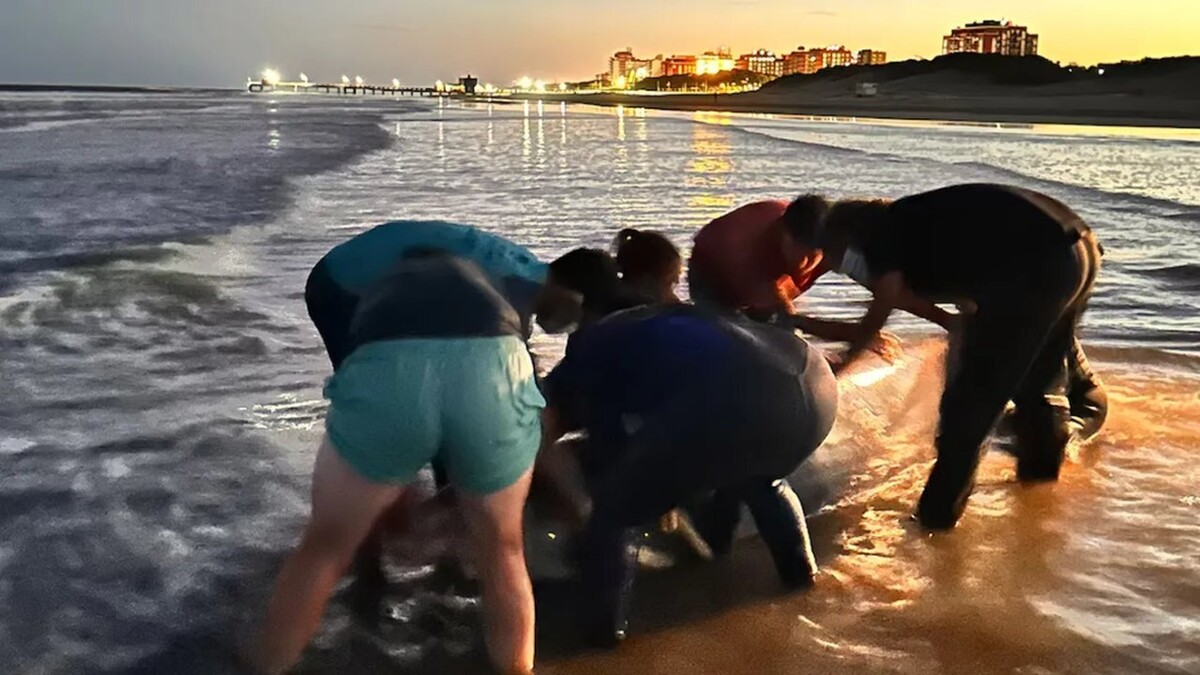
The discovery triggered a complex nighttime rescue operation by the Mundo Marino Foundation. Unfortunately, the animal was found dead the next morning. It was a juvenile male, 4.32 meters long and weighing approximately one ton.
Because beaked whales spend very little time on the surface and live far from the coast, these tragic episodes are of incalculable scientific value for the study of the species.
At the time of discovery, the animal had moved back out to sea, but it was found dead in the same area during Wednesday morning's monitoring.
Necropsy Results
The body was transferred for studies to the Faculty of Veterinary Sciences at the National University of La Plata (UNLP). Stranding of live individuals of this species in the region is an "exceptional" event, with only four cases documented by the foundation since 1987.
The Rescue Operation
The alert about the stranding came in at 7:30 PM on Tuesday, forcing specialists to work in low visibility and strong tide conditions.
Erratic Behavior: For hours, the team attempted to refloat the animal, but it exhibited "circular swimming" and systematically returned to the shore after passing the surf break, a clear sign of a delicate health condition.
Suspension Due to Lack of Light: Tasks had to be suspended around 9:00 PM due to the dangerous environment.
Preliminary results indicated that the cetacean suffered from pneumonia and a high gastrointestinal parasite load, factors that would have triggered the stranding.
Beaked whales (family Ziphiidae) typically inhabit the open ocean and are known for reaching extreme depths to feed.